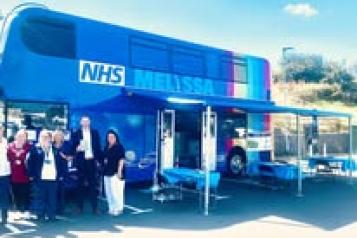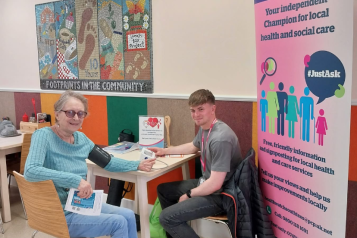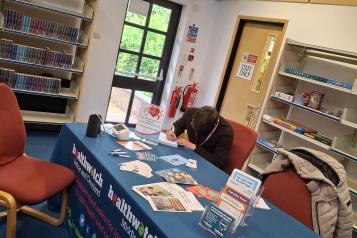
Tees Valley Rural Action – Village Halls Week – Lingdale Village Hall.
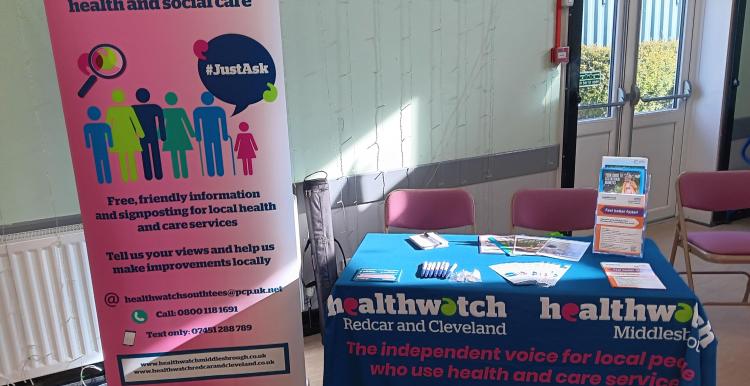
During the event, we actively engaged with residents to understand their experiences of accessing healthcare across East Cleveland. While several residents reported that they had no significant issues and were satisfied with the healthcare services and support they currently receive, many others raised important concerns that highlight ongoing challenges faced by rural communities.
A recurring theme was the difficulty of travelling to medical appointments. Numerous residents expressed a clear need for improved transport links, noting that:
- Current bus services and routes are inadequate, offering limited coverage and inconvenient timetables for those needing to attend GP, hospital, or specialist appointments.
- The rising cost of private taxis has created financial barriers, particularly for older residents, people on fixed incomes, and those who must travel frequently for ongoing treatment.
One resident shared a particularly worrying example regarding ambulance availability. They described a recent incident in which their father waited three hours for an ambulance, only to be told later that no ambulance was available. This raised concerns locally about emergency response times and the reliability of crisis care in rural communities.
Digital Pathways to Healthcare
During the event, residents were asked on how using digital technology could improve access to healthcare, particularly for residents in rural areas. Many felt that digital pathways have the potential to ease pressure on traditional services and make healthcare more accessible yet expressed concern for elderly residents.
Use of the NHS App
Several residents shared positive experiences of using the NHS App. They valued being able to view test results, access medical reports, and manage appointment bookings directly from their phones. This convenience was highlighted as a key benefit of digital healthcare tools.
Digital Confidence and Accessibility
Several older residents expressed a lack of confidence in using digital platforms. They noted that they often preferred face to face interactions and found digital alternatives challenging to navigate. This highlighted an ongoing need for support and accessible options for those less familiar with technology.
Identification Barriers
Two residents raised concerns about the identification requirements needed to log in to certain digital healthcare services. Without a valid passport or driver’s licence, many found it difficult to complete the verification process, creating an additional barrier to accessing online healthcare.
Continuing the conversation:
Our visit to Lingdale echoed many of the challenges we continue to hear across rural communities. The discussions highlighted how easily these areas can become isolated or overlooked within modern healthcare systems. The insights gathered provide a useful starting point for further exploration into how services—digital and otherwise—can be made more inclusive and responsive to the needs of rural residents.