Bringing Health Support Directly to Women in Refuge
The goal was clear: to make accessing health support as easy, comfortable, and stigma‑free as possible for residents who may otherwise face significant barriers to seeking help.
What We Delivered
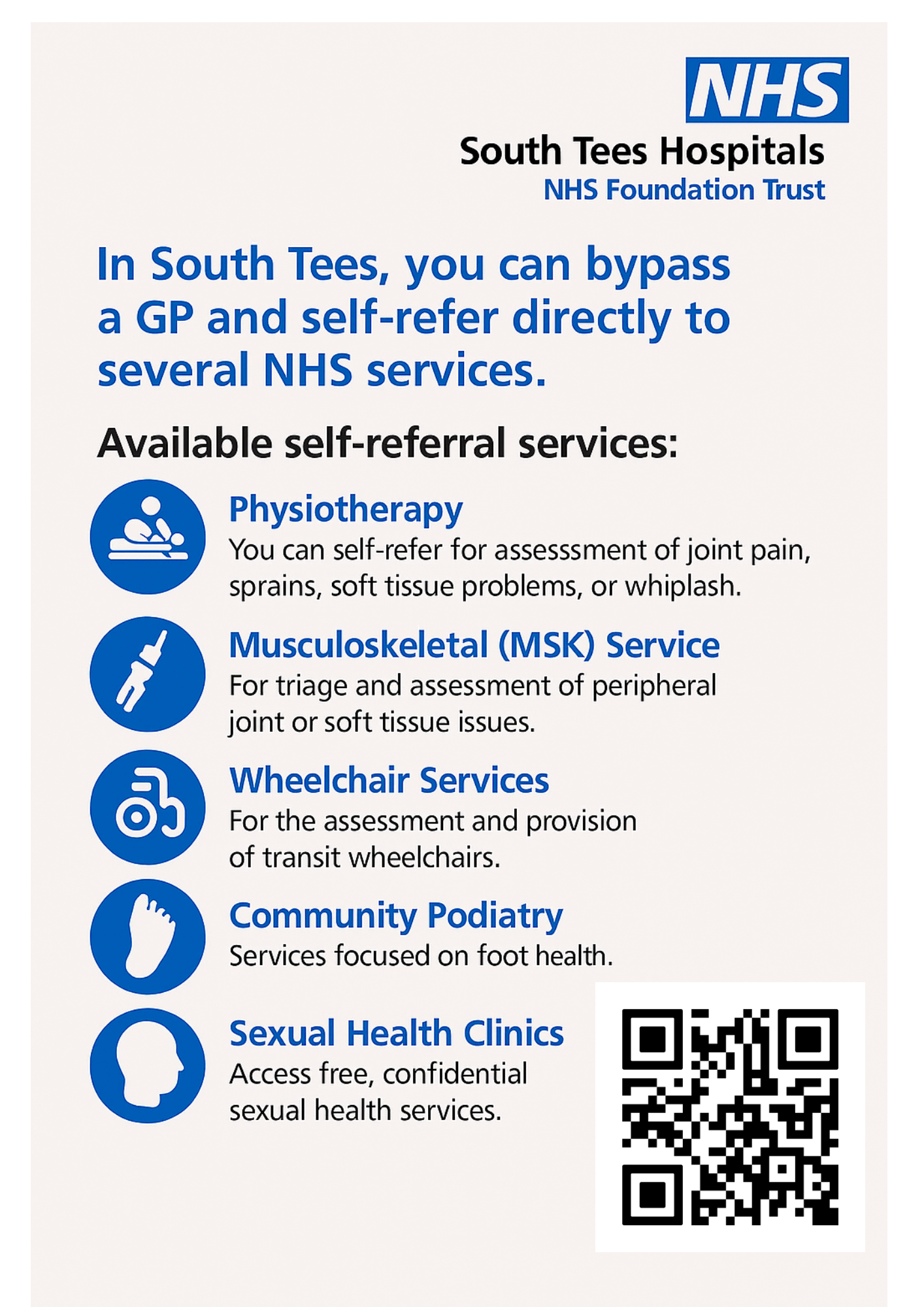
Residents were able to access a range of on‑the‑spot support, including:
- Healthy Heart checks
- Diabetes awareness and early‑risk information
- Sexual health outreach
- Oral hygiene guidance and resources
Despite it being the very first visit, half of all residents attended, taking time to speak with the teams and engage in meaningful conversations about their health—an incredibly positive response.
What We Heard
Residents described the session as informal, comfortable, and far less stigmatising than visiting a community venue.
Many shared that while they often know they need support, they feel anxious about attending services—especially for sensitive topics.
One woman voiced a concern common across the group:
“What if I see someone I know?”
This reflects a wider issue: even when support exists, fear of judgement, visibility, and past negative experiences can prevent people from reaching out.
What Residents Would Value Next
The women told us clearly what additional support they’d like to see brought directly to them:
- Mental health outreach
- Drugs and alcohol support
- Stopping smoking services
- Someone approachable for informal conversations, reassurance, and signposting
This feedback provides a strong foundation for shaping future visits and tailoring support to real needs.
Why This Matters
This session demonstrated the transformative power of taking services to where people feel safe.
By meeting residents in their own environment—one that feels secure, familiar, and non‑judgemental—we were able to break down barriers and open the door to honest, impactful conversations.
When people feel at ease, they:
- Engage more openly
- Ask questions they may otherwise avoid
- Feel less stigma
- Are more willing to access advice and early intervention
Traditional community‑based services can sometimes feel overwhelming, intimidating, or simply inaccessible.
Outreach turns that model on its head—and this session is clear evidence of how effective that approach can be.
What Happens Next
Building on the success of this first session:
- Another outreach visit has already been arranged, this time at a different venue.
- We are also connecting with additional services to widen the support available through future outreach.
- Insights from this work will be shared with commissioners and partners to champion flexible, person‑centred support models that truly reflect people’s lived realities.