End of Life, Palliative Care and Death Engagement Project
Between January and February, 14 local Healthwatch organisations are promoting the survey and carrying out targeted engagement with key communities. Activities include sharing the survey through local networks, assisting individuals to complete it, and holding one‑to‑one and group conversations using agreed engagement tools.
Each Healthwatch is focusing on specific communities, ensuring that insight reflects a wide range of perspectives, including underserved and inclusion groups. Findings will be analysed by the ICB alongside wider system data, and a final report will shape the development of the new regional End of Life Strategy.
A summary of local Healthwatch activity and the number of people engaged will be submitted in February. Collaborative working across the network continues to strengthen consistency, reach and collective impact across the region.
End of Life Care: Understanding What Matters Most
A Briefing on Conversations That Capture What People Value Most at the End of Life
Across South Tees, we set out to listen to local people and understand what truly matters to them when thinking about this subject. These conversations offered powerful insight into the experiences, concerns, and priorities of individuals and families during one of life’s most challenging stages.
What We Did
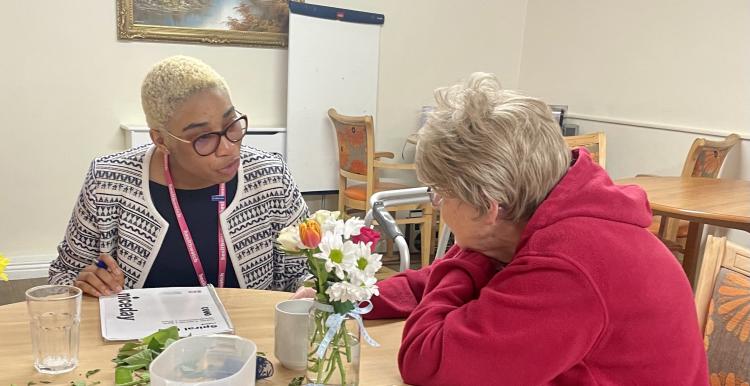
We engaged with a wide range of community groups to gather real, personal insight into end‑of‑life experiences. Conversations took place with:
- Older residents
- Unpaid carers
- People with sight loss
- LGBTQ+ community members
- Faith groups
- Local neighbourhood groups
Participants shared their thoughts on what good care should look like, the support they found valuable, and the barriers they faced when accessing services.
Why We Did It
Through these discussions, many people told us they often felt unprepared when supporting a loved one at the end of life. Common themes included:
- Unanswered questions about what to expect
- Unclear or inconsistent information from professionals
- Difficulty accessing the right support at the right time
- Limited awareness of available services
- Differences in the quality of care between settings
By listening directly to communities, our goal is to ensure their voices shape how palliative and end‑of‑life care is designed and delivered across South Tees in the future.
What We Recommend
Based on the insight shared, we have identified five key recommendations:
- More honest, clear conversations about death, dying and the options available.
- Better support for unpaid carers, including simple, visible pathways to help.
- Improved access to practical information, ensuring people understand services and where to turn.
- Increased capacity for home‑based and hospice care, helping align care with people’s wishes.
- Care that respects identity, beliefs, and cultural needs, ensuring personalised and compassionate support.